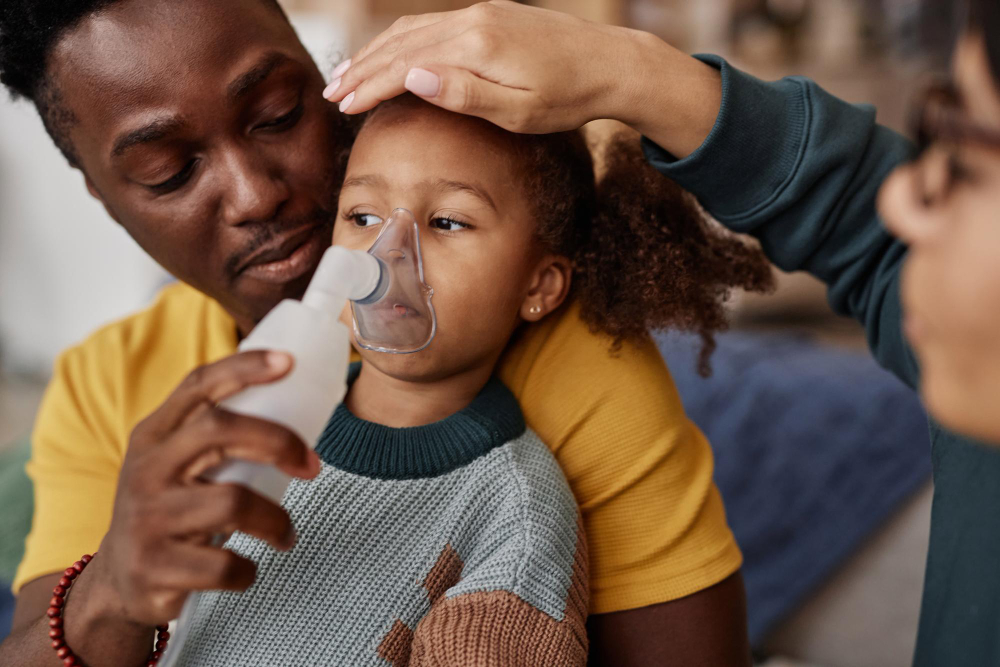
Whether someone is recovering from illness, trauma, loss, or emotional distress, emotional support plays a key role in healing. Feelings of fear, uncertainty, or sadness are common during recovery, and without proper support, these emotions can slow progress.
Counselling helps individuals process their experiences and build resilience. It encourages self-expression, emotional awareness, and the development of positive coping mechanisms. Clients begin to understand that healing is not just physical — it involves emotional and psychological restoration as well.
Caregivers contribute by providing encouragement, companionship, and a sense of normalcy in daily life. Small acts of kindness, conversation, and reassurance can greatly improve a person’s outlook. When counselling and caregiving work together, recovery becomes a journey supported by understanding, dignity, and compassion.